
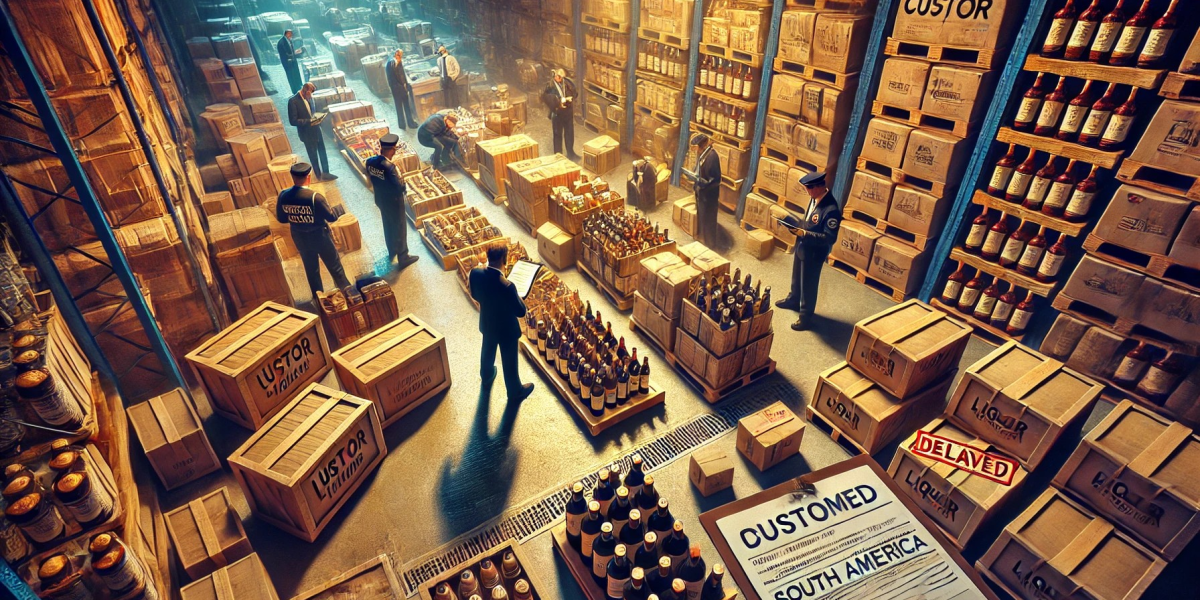
Entrepreneurially bringing a business to the Canadian market is exciting but perilous, particularly if you are importing controlled products such as liquor. One of our clients recently learned the hard way importing upscale liqueurs from South America into Ontario. Below is an overview of the importance of being knowledgeable about the importation process, selecting appropriate partners, and being prepared for unexpected costs.
The Unexpected Challenges
Our client, wishing to bring in an exotic selection of South American liqueurs to Ontario, hired a transport firm that claimed international shipping experience. What seemed like a seamless operation turned into a logistical nightmare. The transport firm failed to make adequate disclosure about the regulatory environment for importing alcohol into Canada. This lack of disclosure resulted in costly delays, storage fees, and costly compliance problems.
The Hidden Costs of Lack of Preparation
Without the proper information regarding taxes, licenses, and the Alcohol and Gaming Commission of Ontario (AGCO) necessities, the client was blind sided by additional costs at every turn. Tariffs, specialty taxes, and importation charges tallied quickly. Worse still, the liquor shipment was held up for weeks in customs because of missing documents.
To correct the situation, the client had to hire professional consultants and pay fines, which were quite an added expense to the whole investment. By the time the sale of the product was finally approved, the profit margin was lost.
The Nature of Importing Controlled Products
This case is a stark reminder that importing alcohol, or for that matter any regulated product, calls for a sound knowledge of the legal environment of the market.
First-time importers have a tendency to believe that either agents or the transport companies will handle all the complexities that come with the process, but it is not the case. Rules governing the importation of alcohol differ from province to province in Canada, and failure to comply can result in the loss of funds and business delay.
Lessons Learned and Recommendations
Preparation is crucial for companies looking to import liquor to Ontario. Below are three fundamental recommendations:
1. Understand the Regulatory Requirements: Research AGCO regulations, federal tariffs, and taxes before engaging in a business shipment.
2. Coordination with Specialized Experts: Hiring import consultants and liquor experts who have experience as customs runners can help save time and money.
3. Choosing the Appropriate Logistical Partner: Not all transport companies have experience in dealing with controlled products. Ensure that you review their experience before entering into an agreement.
Importing into Canada is an opportunity, but it has to be done right. Keeping compliant with regulations and profitable practices for importers. Don’t jeopardize your investment on avoidable pitfalls. To learn more about how to import successfully, contact me today!